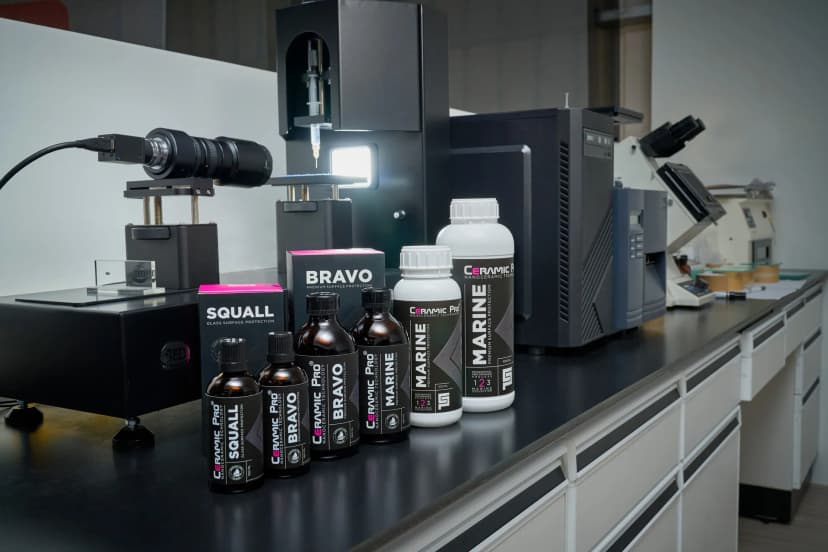
The Origins of Nanoceramic Technology
NanoShine Group began with the development of protective nano-ceramic coatings, made possible by advances in semiconductor science in the late 2000s. Ceramic Pro grew from the same technology that enabled smartphones and modern smart electronics.
At its core, nanoceramic technology controls a coating's properties and structure at the scale of molecules and individual particles.
Silicon Dioxide (SiO2)
Ceramic Pro products were originally based on silicon dioxide, a material widely used in everyday life. The difference is the nano scale: the coating is engineered to control its properties and structure at molecular level.
This foundation gives the coating its hard, durable surface while allowing it to bond closely with the material beneath it.
Nanoparticle Adhesion and Surface Integration
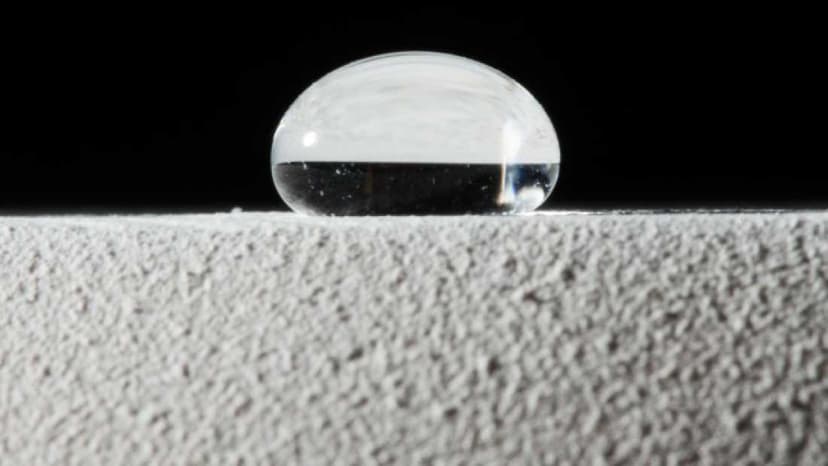
Nanoparticles penetrate the smallest pores and surface irregularities, integrating with the material to form a single whole. At molecular level, an exchange of ions creates extraordinary adhesion between the coating and the protected surface.
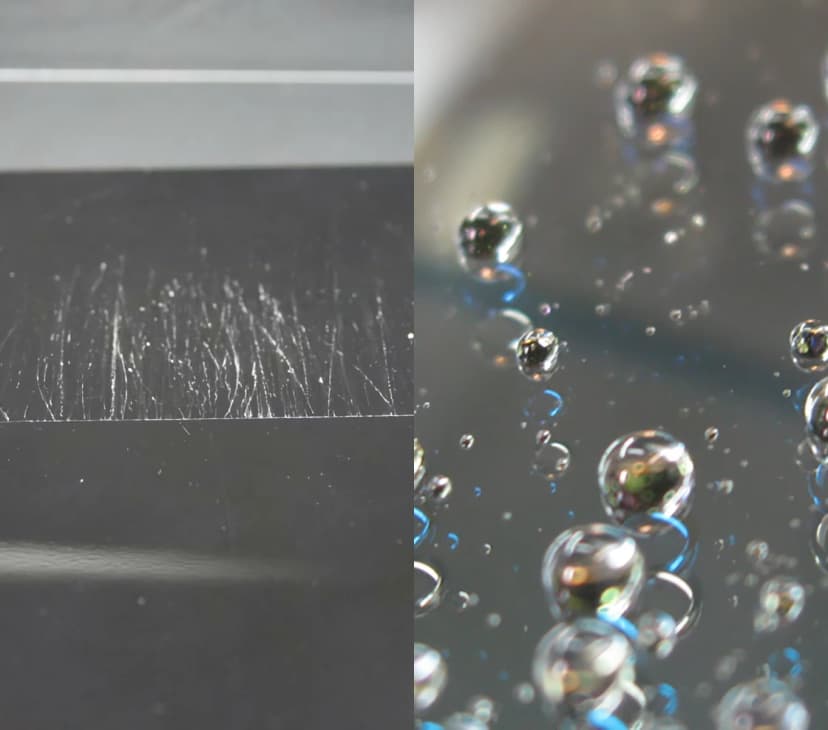
The result is a harder, smoother, superhydrophobic and self-cleaning surface that is easier to maintain.
Titanium Dioxide (TiO2) and Antimicrobial Protection
Later Ceramic Pro formulas introduced titanium dioxide and silver to help protect surfaces from microorganisms and unpleasant odours. Titanium dioxide uses light-activated photocatalytic protection, while silver continues working regardless of light levels.
Crystallization and Coating Structure
As the solvent evaporates, the coating's molecules must align in the correct order. Carefully selected additives control these physical and chemical processes, effectively guiding the construction of the protective coating structure.
This balance is what allows Ceramic Pro formulas to deliver consistent performance without sacrificing application quality.
Silicon Carbide (SiC)
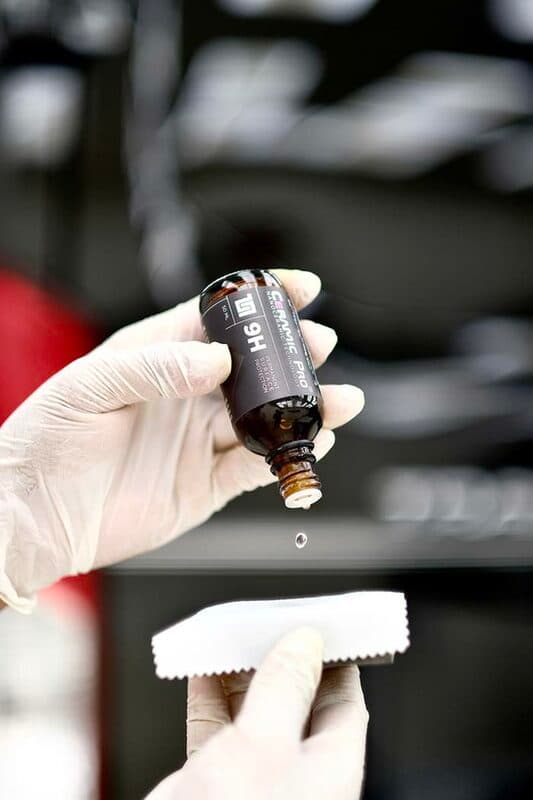
The latest Ceramic Pro generation uses silicon carbide as its main active ingredient. SiC increases hardness, heat resistance and resistance to aggressive chemicals, while maintaining the balance needed for a practical liquid coating.